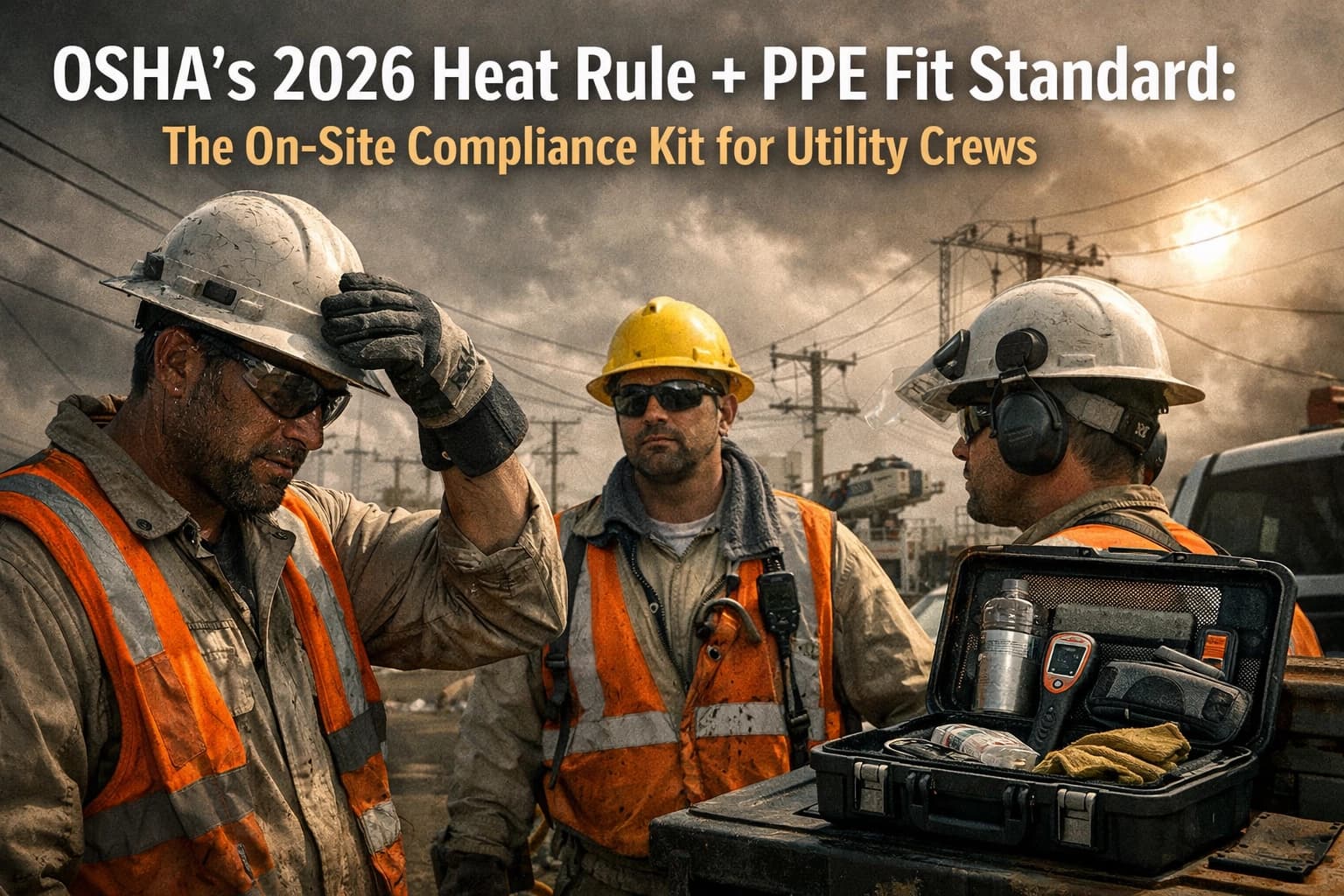
# OSHA's 2026 Heat Rule + PPE Fit Standard: The On-Site Compliance Kit for Utility Crews
OSHA's 2026 Heat Rule + PPE Fit Standard: The On-Site Compliance Kit for Utility Crews
![[HERO] OSHA's 2026 Heat Rule + PPE Fit Standard: The On-Site Compliance Kit for Utility Crews](https://cdn.marblism.com/-zLfYlT1ZUi.webp)
Hey there! If you’ve been out in the field lately, you know that the sun isn’t getting any friendlier. Working in the utility and construction world has always been a "grit your teeth and get it done" kind of business, but the rules are changing. As of 2026, OSHA has officially rolled out its Heat Injury and Illness Prevention rule along with an updated PPE Fit Standard.
For Project Managers (PMs) and site foremen, this isn't just another stack of paperwork to ignore. It’s about keeping your guys safe and making sure your project doesn't get shut down by a surprise inspection. At HydroVacFinder.com, we’re all about making the hard stuff easier: whether that's finding a truck or figuring out these new regulations.
Let’s break down what you need to know to stay compliant and keep your crews moving without the headache.
The 2026 Heat Rule: What’s the Trigger?
OSHA isn't just saying "be careful when it's hot" anymore. They’ve set specific temperature triggers that change what you are legally required to provide on-site. These triggers are based on the heat index (which accounts for humidity), not just the number on the thermometer.
The 80°F Threshold: The Basics
Once the heat index hits 80°F, you are officially in the "prevention" zone. At this point, your crew needs three main things:
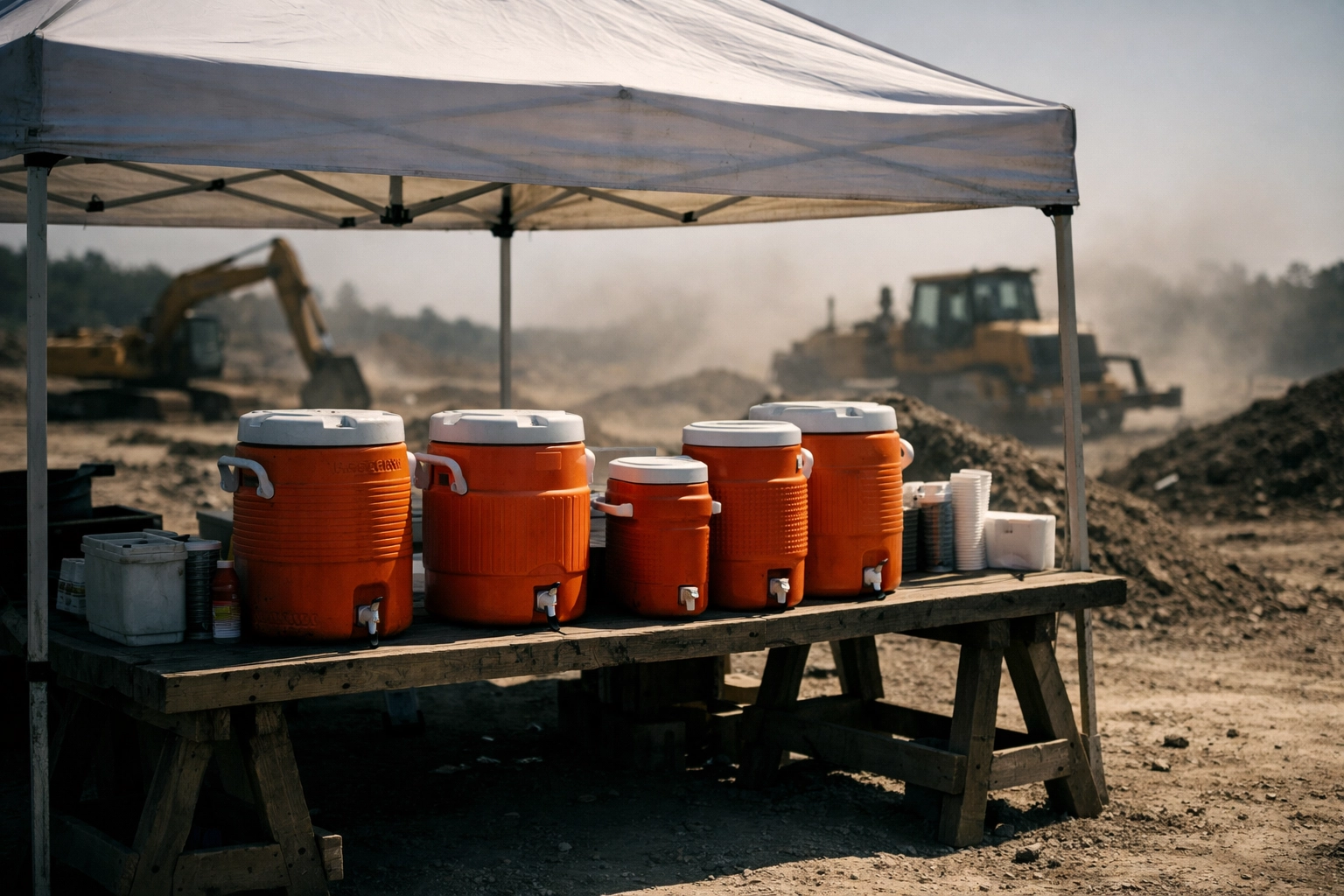
- Cool Water: You need to provide plenty of fresh, cool drinking water. It has to be free of charge and located as close as possible to where the work is happening.
- Shade and Cooling: You need designated break areas that are either in the shade or have active cooling (like misting fans or AC in a trailer). Sitting in a hot truck cab with the windows down usually won’t cut it.
- The "New Guy" Rule (Acclimatization): This is a big one. You can’t take a new hire and throw them into a 10-hour shift in the sun on day one. OSHA now requires a gradual increase in exposure for new or returning workers so their bodies can adjust.
The 90°F Threshold: High Heat Protocols
When the index hits 90°F, the rules get even stricter. This is where PMs really need to stay on top of the clock.
- Mandatory Breaks: You’re looking at a required 15-minute rest break every two hours.
- The Buddy System: Crews must be monitored for signs of heat illness. This means using a "buddy system" or having a dedicated supervisor checking in on everyone regularly.
- Hazard Alerts: You have to remind the crew about the heat protections throughout the day. A quick shout during the morning toolbox talk isn't enough when it’s 95 degrees at 2 PM.
The 2026 PPE Fit Standard: No More "One Size Fits Most"
For a long time, the construction industry operated on the idea that a "Large" safety vest or a standard-sized harness was good enough for everyone. OSHA’s 2026 PPE Fit Standard has officially retired that logic.
The new standard requires that all personal protective equipment (PPE) must fit the individual worker properly. Why? Because poorly fitted gear is actually a safety hazard.
- Trips and Snags: A vest that’s too big can get caught on equipment or rebar.
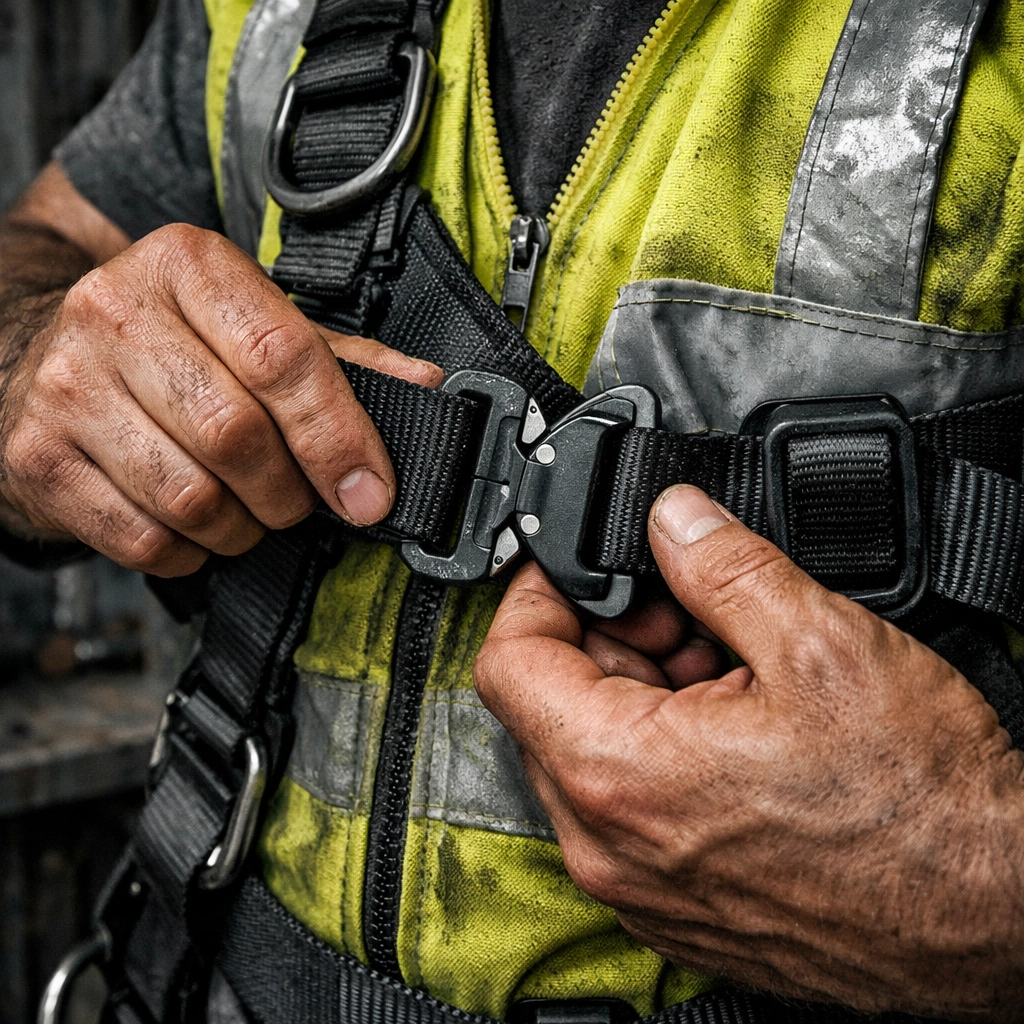
- Failed Protection: A fall-protection harness that doesn’t fit the worker’s frame won't work correctly in a drop.
- Gloves and Vision: Oversized gloves lead to poor grip, and "standard" safety glasses that slip off a smaller face leave eyes exposed.
As a PM, this means your "on-site compliance kit" needs to include a range of sizes. When you hire a crew, you need to ensure they arrive with gear that actually fits their specific team members. This is one of the things we look for when vetting professionals for the HydroVacFinder.com/directory. A professional crew shows up with the right gear for the right people.
Your On-Site Compliance Kit: A Field-Ready Checklist
To make your life easier, we’ve put together a quick checklist of what should be in your truck or job trailer to meet these 2026 standards.
For the Heat:
- The "Water Boss": At least one gallon of water per worker per shift, kept in insulated coolers.
- Pop-up Tents: If there’s no natural shade (like trees or buildings), you need portable shade.
- Electrolyte Packets: While water is king, having some low-sugar electrolyte options helps during those 90°F+ days.
- Heat Index App: Make sure the foreman has the OSHA-NIOSH Heat Safety Tool app on their phone. It gives you real-time triggers for your specific GPS location.
For the PPE Fit:
- Size Variety: A backup stock of vests, gloves, and ear protection in sizes from XS to 3XL.
- Adjustable Gear: Invest in high-quality harnesses that have multiple adjustment points.
- Documentation: Keep a quick log showing that you’ve checked the fit of each worker’s PPE. It sounds tedious, but it’s a lifesaver during an audit.
How Hydrovac Helps You Beat the Heat
You might be wondering, "What does hydro-excavation have to do with heat rules?" The answer is: Everything.
Traditional digging is back-breaking work. When you have a crew out there with shovels trying to expose a utility line in 90-degree heat, you are asking for a medical emergency. The physical exertion levels of hand-digging spike the internal body temperature much faster than almost any other task on-site.
By using a hydrovac crew, you’re letting the machine do the heavy lifting. A single operator using a pressurized water wand and a vacuum hose can do the work of a whole team of guys with shovels: and they can do it with much less physical strain.
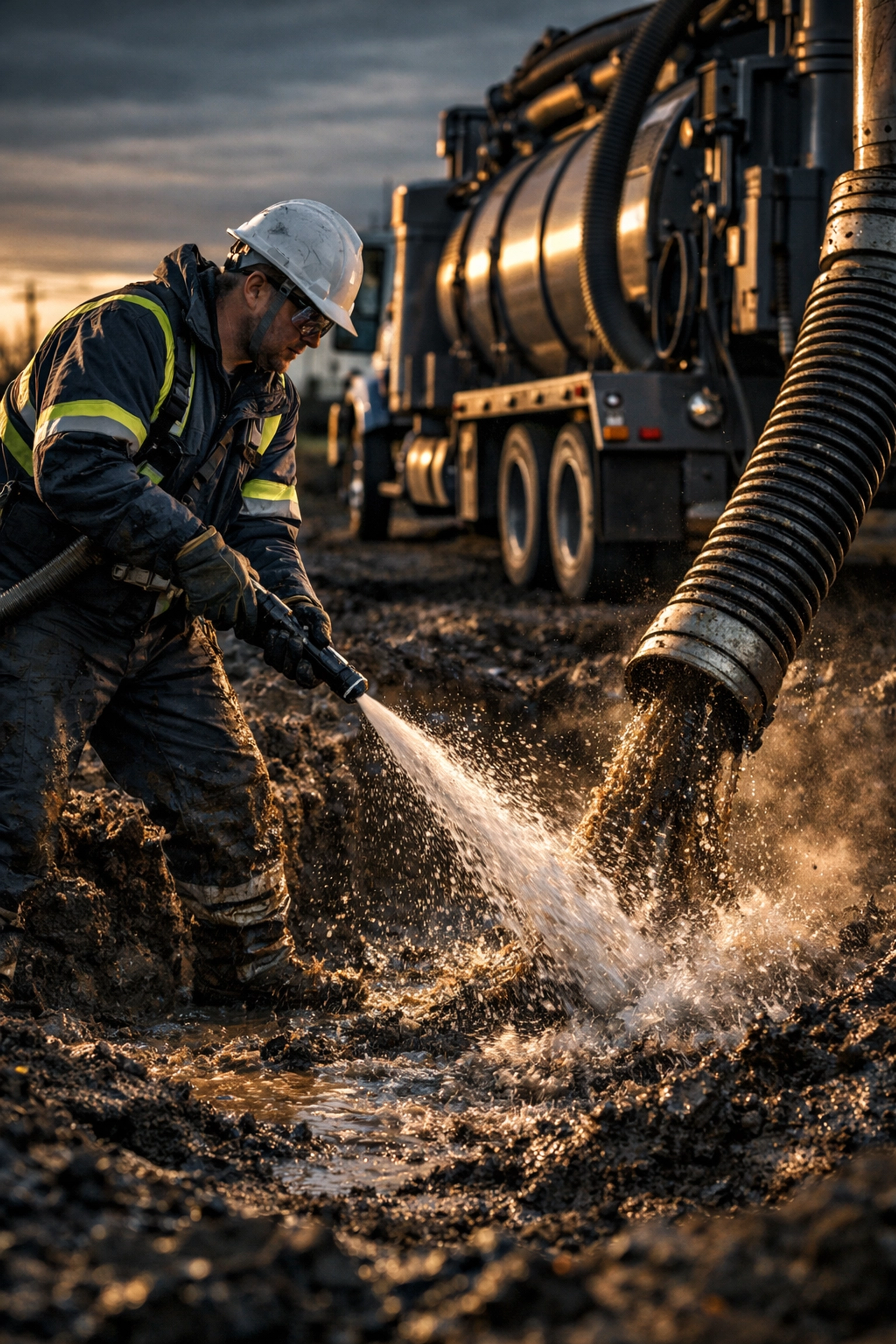
Using hydrovac means:
- Fewer people in the "Hot Zone": You need fewer bodies on the ground to get the dig done.
- Less Exertion: The crew stays fresher and less prone to heat stroke.
- Faster Completion: You get the hole dug and the utility exposed faster, meaning your team spends less total time out in the sun.
Stay Moving with HydroVacFinder.com
Running a utility project in 2026 is complicated enough. Between local dig laws and these new OSHA standards, your plate is full. You shouldn't have to spend hours on the phone trying to find a hydrovac company that actually knows what they’re doing and follows the rules.
That’s where we come in. HydroVacFinder.com is the simplest way to find professional, compliant hydrovac crews and legal disposal sites.
When you use our directory, you’re looking for partners who understand the importance of safety and efficiency. We help you find the crews that show up with the right PPE, the right water protocols, and the high-powered equipment needed to keep your project on schedule without breaking the new heat rules.
The Bottom Line
OSHA’s 2026 updates might feel like a lot of extra steps, but they boil down to a simple goal: making sure everyone goes home at the end of the day. By keeping your water cold, your shade ready, and your PPE fitting right, you’re building a better reputation for your company and a safer environment for your crew.
And remember, when the heat is on and you need to get the job done safely, let the machines do the work. Find your next hydrovac partner at HydroVacFinder.com and keep your cool all summer long.
Stay safe out there, Andy and the team!